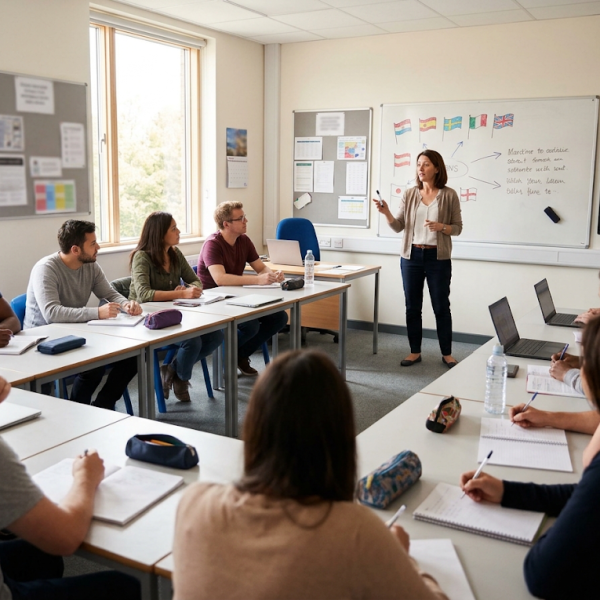
Anyone who works, studies or does business across borders eventually faces the same question. Should I learn the language myself, or should I hire someone who already speaks it? Both options are valid, and both can fail when chosen for the wrong reasons. A traveller who needs to order dinner does not need a certified translator, and a company that signs a foreign contract should not rely on a language app and a phrasebook. Learning a language builds long term independence, while professional translation delivers accuracy and speed for tasks where mistakes are costly. This article helps you decide which path fits your situation and explains how the two can work together.
What Learning a Language Gives You
Study opens doors that no service can replace. You gain the ability to chat with neighbours, understand jokes, read the news and feel at home in another culture. Language skills improve memory, concentration and career prospects, and they make travelling richer. Learning also takes time, usually years of regular practice to reach a level that is comfortable at work. Progress depends on motivation, teachers, exposure and daily habits. For personal growth and long stays abroad, it is one of the best investments you can make, even if you start with a modest goal such as holding a simple conversation.
What Professional Translation Gives You
Translation is a different skill from speaking. A professional works into their native language, understands the subject and follows rules for terminology, style and confidentiality. They can produce a contract, a brochure or a medical report in days, with a quality that a learner would need many years to match. For official papers, the translator may add a signed statement of accuracy. If you need results now, or if the text will be read by authorities, customers or investors, professional help is the safer choice, because the cost of an error is usually higher than the fee.
How to Decide in Practice
Ask yourself four questions. How important is the text or conversation? How quickly do you need it? How often will the need come back? And how much time can you invest in learning? Occasional, high stakes tasks such as legal papers, certificates and marketing materials call for a translator. Daily communication in a country where you live calls for learning. Many people do both, studying the language for everyday life while hiring professionals for documents. The Council of Europe publishes the Common European Framework of Reference for Languages, which helps learners measure their level and understand what they can safely do with it.
The Danger of the In Between Level
Intermediate speakers are often the most confident and the most at risk. They can follow a conversation but miss legal nuances, false friends and cultural cues. Writing a contract, a CV or a business email at this level may produce sentences that are understandable yet awkward, or even misleading. A professional review is a useful safeguard. Many companies ask bilingual employees to translate official texts as an extra duty, which leads to mistakes and stress. Being bilingual is a great asset, but it is not the same as being trained in translation.
Documents That Should Go to a Professional
Some texts should never be handled by learners or by machines alone. These include court papers, contracts, patents, medical records, financial statements, immigration files and public websites. Polish speaking clients, for instance, often need paperwork for work and residence in other countries, and a provider offering polish document translation can prepare certified versions that institutions are willing to accept. When the stakes are high, the question is not whether you can understand the text but whether you can guarantee that every word will be correct.
How Translation Can Help You Learn
Professional translations are also a learning tool. Reading a text in your own language next to a good version in the target language shows how professionals handle idioms, register and structure. Many learners study bilingual documents to build vocabulary in their field. If you are interested in a language pair that is less common, such as Romanian, this overview of English to Romanian translation shows the kind of questions that experts consider before they deliver a text. Observing their choices can improve your own writing.
Using Technology as a Bridge
Apps and online tools help both learners and clients. They can explain a word, read a sign or give you the gist of an email. Treat them as an assistant, not as a judge. They are very useful for quick understanding and for practice, but they make errors with context, humour and specialised terms. A sensible approach is to use machines for low risk tasks, humans for important ones, and your own growing skills to check that the result makes sense. The combination saves money without sacrificing safety.
A Balanced Plan
Make a simple plan. List the situations where you need the language, mark which ones are casual and which are critical, and assign a method to each. Enrol in a course or find a conversation partner for the daily use, and choose a translation provider for the critical documents. Review the plan every year, because your skills and your needs will change. With this balance you will communicate with confidence, protect your interests and enjoy the pleasure of discovering another language at your own pace.